Curious to see how Pinch works? Check it out



When business owners find themselves waiting 30, 60, or even 90 days for payments from wholesalers or clients, they are not simply managing their business; they are effectively acting as an unpaid financial institution for their customers. This ongoing struggle, often linked to slow or inefficient accounts receivable processes, is one of the key contributors to business owners losing their passion for their work.
If you are asking how you can improve cash flow, it is likely that you are seeking more than just advice on sending invoices more promptly or cash flow management tools. What you need is a comprehensive system that ensures payments are consistently received, allowing your cash flow to match the rhythm of your outgoing expenses.
In this guide, we explore seven high-impact strategies to improve cash flow in a small business, with a specific focus on the Australian B2B landscape.
What Causes Poor Cash Flow in a Small Business?
Poor cash flow is a common issue for small businesses. Some of the key causes include:
- Late Payments: When clients delay payments, businesses face cash shortages and struggle to cover expenses.
- Inefficient Payment Terms: Unclear or lenient payment terms lead to delayed collections, affecting liquidity.
- High Expenses: Rising operational costs, inventory mismanagement, and unnecessary overheads can drain cash reserves.
- Slow Invoicing: Disorganised invoicing processes can delay payments, making it harder to maintain consistent cash flow.
- Unpredictable Revenue: Seasonal or fluctuating demand creates cash flow volatility, making it difficult to manage expenses.
- Lack of Cash Flow Planning: Without forecasting, businesses struggle to predict their cash needs and may run into unexpected shortages.
By addressing these factors, small businesses can stabilise and improve their cash flow.
How Do You Know if You Have a Cash Flow Problem?
Identifying a cash flow issue early is crucial for the survival of your business. Here are some common signs that indicate a potential cash flow problem:
- Late or Missed Payments: If you're constantly waiting for payments or missing due dates, it's a clear sign that cash flow may be tight.
- Relying on Credit: Using credit cards or loans regularly to cover operating costs or pay suppliers indicates that your business isn't generating enough cash from operations.
- Delayed Supplier Payments: If you're struggling to pay suppliers on time, or if your relationships with suppliers are strained due to overdue payments, this is a warning sign of poor cash flow.
- Inability to Cover Basic Expenses: If you're unable to meet your day-to-day expenses, such as rent, utilities, or payroll, you likely have a cash flow problem.
- Decreasing Profit Margins: If sales are steady but your margins are shrinking, it might indicate that cash flow issues are being masked by a lack of funds to cover expenses.
- Overdue Invoices: A significant number of outstanding invoices, especially those that are months overdue, can signal a serious cash flow issue.
Recognising these signs early can help you take action before the problem escalates.
How to Improve Cash Flow in Your Business
1. Optimise Your Invoicing Process for Faster Payment
Efficient invoicing is crucial for improving cash flow in a business. The faster you send invoices, the quicker you can expect to get paid. Here are a few ways to optimise your invoicing process:
- Ensure Clarity and Accuracy: Clearly outline the terms, including payment due dates and accepted methods. This reduces delays caused by disputes or errors.
- Send Invoices Immediately: Issue invoices as soon as the work is completed or the product is delivered to prompt immediate action from clients.
- Leverage Technology: Use automated invoicing software to ensure invoices are generated and tracked in a timely manner, reducing manual follow-ups and human error.
By improving invoicing processes, you can significantly reduce late payments, helping businesses improve cash flow over time.
2. Restructure Your Payment Terms Strategically
The payment terms you offer to customers can have a direct impact on how quickly money enters your business. By restructuring your payment terms, you can encourage faster payments and reduce cash flow gaps.
- Offer Shorter Payment Cycles: If you're currently giving clients 60 or 90 days to pay, consider reducing that time to 30 or 45 days. This can help improve cash flow by ensuring you get paid sooner.
- Upfront Payments: For larger projects or high-value orders, request upfront payments or deposits before you start work. This ensures that you have some cash in hand, even if the final payment is delayed.
- Discounts for Early Payments: Offering a small discount to customers who pay their invoices early can encourage prompt payments. This can be a win-win situation, allowing you to improve cash flow while rewarding good-paying clients.
However, while this is a powerful tactic to increase your immediate cash on hand and reduce the risk of bad debt, it is not a mandatory practice. It is essentially a trade-off between your profit margins and liquidity. If your business already maintains a healthy cash buffer, you may prefer to forgo the discount to protect your bottom line.
3. Automate Payment Collection Through Pre-Approvals
Automating your payment collection ensures consistent cash flow without the need for manual intervention. Pre-approvals allow payments to be deducted automatically from your clients' accounts on agreed dates.
- Pre-Approved Payments: Set up pre-approved payment agreements with clients so that payments are automatically deducted from their bank account or credit card on a set date. This ensures that invoices are paid on time, without requiring manual action.
- Seamless Integration: Tools like Pinch Payments integrate with your existing accounting and invoicing systems, like MYOB, Xero, and QuickBooks, automating the entire payment collection process. This guarantees your invoices are paid promptly and with minimal intervention.
4. Negotiate Favourable Terms with Your Suppliers
To improve cash flow, it's essential to have good relationships with your suppliers. Negotiating better terms with them can help you manage outflows more effectively and ease financial pressure.
- Extend Payment Terms: If you're struggling with cash flow, ask suppliers for extended payment terms. Instead of paying in 30 days, negotiate for 60 or 90 days. This gives you more time to collect payments from your clients and ensure that your expenses are covered.
- Discounts for Bulk Purchases: Consider negotiating discounts for bulk purchases or long-term contracts. This helps reduce costs, giving you more cash to invest in other areas of your business.
- Build Strong Supplier Relationships: Maintaining open and honest communication with suppliers can lead to more flexible terms and better financial arrangements. Building trust with your suppliers ensures they are willing to support your business during difficult times.
5. Conduct a Strategic Review of Business Expenditure
Improving cash flow in a small business often requires a comprehensive review of your current expenditures. Reducing unnecessary costs can free up cash for more important investments and operational needs.
- Track Your Spending: Regularly review financial statements to understand where your money is going. By tracking every expense, from office supplies to marketing, you can identify areas to cut costs.
- Renegotiate Contracts: For ongoing services or products, renegotiate contracts to secure better rates. Whether it's insurance premiums, office rent, or utility bills, reducing costs can help you increase cash flow.
Reviewing your expenditure regularly ensures you can allocate funds efficiently, improving cash flow and supporting long-term business growth.
6. Offer Subscription Models for Consistent Cash Flow
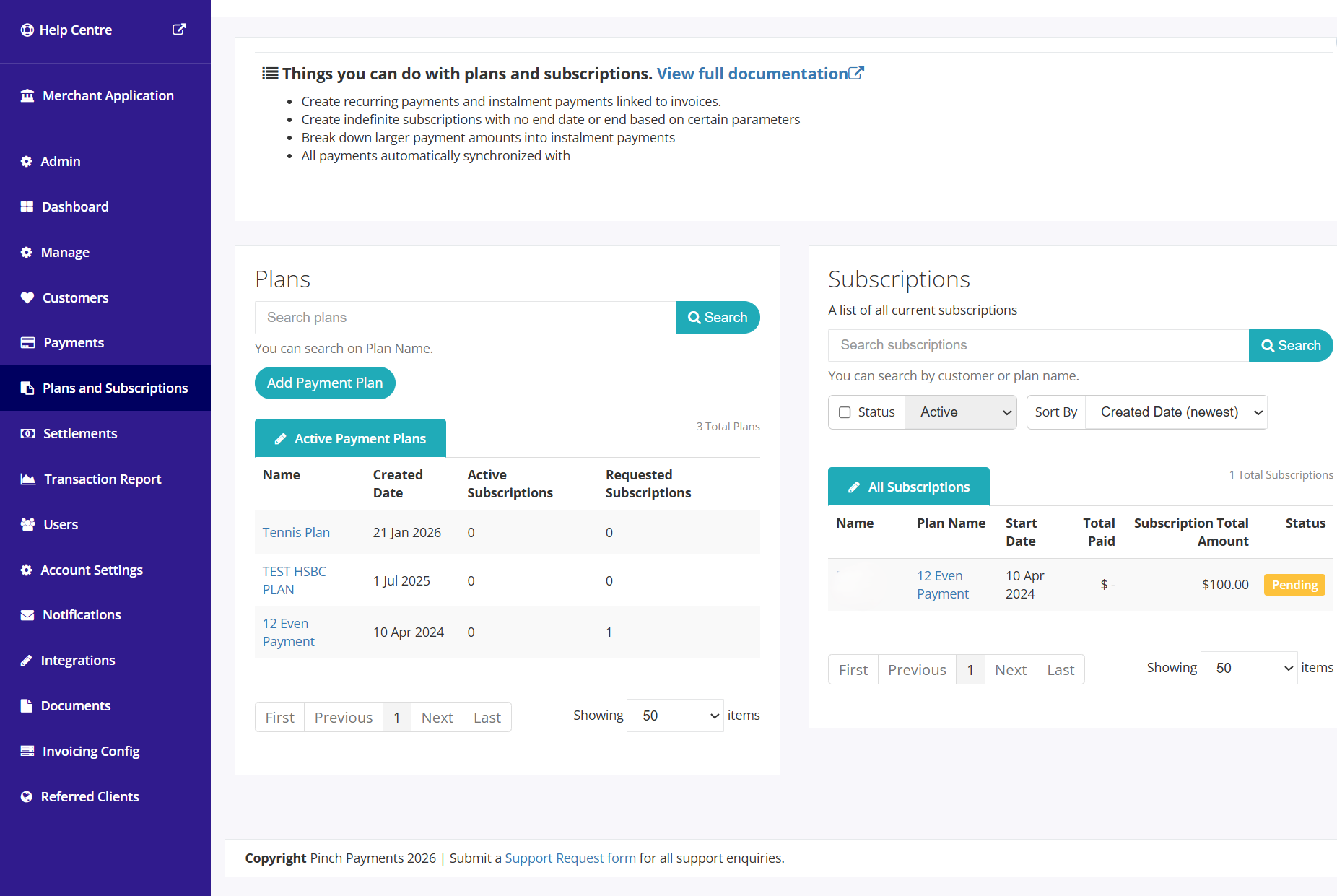
For businesses providing ongoing services, adopting a subscription model can be an effective way to generate steady and predictable cash flow. By offering clients the option to pay a fixed monthly fee, you can ensure regular income while making it easier for clients to manage their payments. This model works particularly well for services that require long-term commitment, as it reduces the need for large upfront payments while maintaining financial stability for your business.
7. Build and Maintain a Cash Flow Forecast
A cash flow forecast is a vital tool for any business. It provides visibility into your financial situation and allows you to plan ahead for both expected and unexpected expenses.
- Track Cash Inflows and Outflows: Regularly track your business's cash inflows (e.g., customer payments) and outflows (e.g., operating expenses, supplier payments). This will help you anticipate when cash shortages may occur.
- Prepare for Seasonal Fluctuations: Many businesses experience fluctuations in cash flow due to seasonal trends. A well-maintained forecast allows you to plan for these periods by setting aside reserves during peak times.
- Adjust Forecasts Regularly: Cash flow forecasts are not set in stone. Update your forecasts regularly to reflect changes in sales, expenses, and market conditions.
By maintaining a cash flow forecast, you can anticipate potential cash flow issues and make adjustments to avoid financial difficulties.
Conclusion
Improving cash flow is about more than just sending invoices; it is about moving away from acting as an unpaid bank and implementing a system where income matches the rhythm of your expenses. By automating your collections and offering flexible payment options, you can eliminate the stress of manual follow-ups and reclaim the passion for growing your business.
Pinch Payments provides a specialised platform tailored for Australian businesses to streamline this entire process. Pinch offers automated reconciliation, direct debit, and subscription management tools designed to ensure your payment flows stay smooth.
Join Pinch Payments today and transform your cash flow into a competitive advantage!
Disclaimer: The information provided in this guide is for general informational purposes only. It does not constitute legal, financial, or taxation advice. While we strive to provide accurate and up-to-date details based on current Australian regulations, business requirements can change. We recommend consulting with a qualified accountant, lawyer, or business advisor before making any significant decisions or taking action based on this content.