



Recurring payments have become a core part of how many Australian businesses operate. According to global payment market outlooks covering the period from 2023 to 2033, recurring and subscription-based payment models are expected to see sustained long-term growth.
From monthly service fees and subscriptions to instalment plans and retainers, customers now expect payments to be simple, automatic, and predictable.
For businesses, recurring billing offers something just as valuable: stable cash flow and less time spent chasing invoices.
If you are wondering how to accept recurring payments as a business in Australia, this guide breaks it down step by step. We will look at how recurring payment processing works, the benefits and challenges, and what to consider when choosing a system that fits your business model.
What Are Recurring Payments?
Recurring payments are transactions that repeat on a regular schedule, such as weekly, monthly, or annually. Instead of asking customers to manually pay each invoice, the business receives permission to charge them automatically at agreed intervals.
Common examples include:
- Monthly subscriptions
- Ongoing service retainers
- Membership fees
- Instalment payments for larger services
- Software and digital access plans
When set up correctly, recurring payments allow businesses to collect funds automatically without needing to send reminders or follow up manually.
How Recurring Payment Processing Works in Australia
Understanding how recurring payments operate in the Australian financial landscape is essential for any business owner looking to stabilise their cash flow. Unlike one-off transactions, recurring payments require a structured cycle to ensure funds are collected securely and consistently over time.
1. Obtaining the Payment Mandate
The process begins with the customer providing authorisation for your business to pull funds from their account at specific intervals. In Australia, this is often referred to as a Direct Debit Request or a payment mandate. This agreement must be clear and compliant with Australian financial regulations to ensure that both the business and the consumer are protected.
2. Secure Tokenisation of Data
Once the customer provides their bank or card details, the information is not stored as plain text. Instead, it is converted into a secure token. This process of tokenisation ensures that sensitive data remains protected and that your business meets PCI compliance standards without having to manage the security risks of storing actual card numbers or bank account details on your own servers.
3. Scheduling and Triggering the Payment
The payment processor uses the stored token to initiate transactions based on your defined schedule, whether that is weekly, fortnightly, or monthly. In Australia, if the payment is via direct debit, it is processed through the Bulk Electronic Clearing System, also known as BECS. If it is a card payment, it moves through the traditional card schemes like Visa or Mastercard.
4. Clearing and Settlement
After the payment is triggered, the banks begin the clearing process. For card payments, this is usually quite fast, though the actual settlement into your business bank account may take a couple of business days. For direct debits, the clearing cycle can take slightly longer as the banks verify that sufficient funds are available in the customer account before transferring the money.
5. Handling Failed Transactions
In a recurring model, payments can occasionally fail due to expired cards or insufficient funds. A professional payment platform will include automated retry logic. This means the system will automatically attempt to collect the payment again after a few days, often resolving the issue without you needing to contact the customer directly.
6. Automated Reconciliation
The final step is matching the received payment to the original invoice. For businesses using automated reconciliation solutions like Pinch Payments, this step is entirely automated. When a recurring payment is successfully settled, the system communicates with your accounting software, such as Xero or MYOB, and automatically marks the invoice as paid.
Businesses That Commonly Use Recurring Payments
Recurring payments are not limited to subscription-based companies. Many Australian businesses across different industries rely on them.
Professional Service Providers
Lawyers, accountants, marketing agencies and consultants are increasingly moving away from traditional hourly billing toward monthly retainer models. By learning how to collect monthly payments, these professionals ensure they are paid for their availability and ongoing expertise without the need to chase individual invoices for every phone call or meeting. For practical examples of how similar businesses handle recurring billing, see Pinch customer stories.
SaaS and Subscription Technology Companies
Software as a Service (SaaS) businesses are natural leaders in this space. Because their value is delivered continuously, they require reliable ways to take subscription payments without friction. Many SaaS companies rely on developer-friendly APIs to integrate recurring payment processing directly into their platforms, enabling seamless upgrades, downgrades, and automated seat management. This approach is especially important when scaling subscription models, where recurring payments for SaaS and subscription businesses need to run reliably in the background without disrupting the user experience.
Health and Wellness Facilities
Gyms, yoga studios, and personal trainers were among the first to adopt automated recurring payments in Australia. For these businesses, the ability to accept recurring payments via direct debit ensures that memberships remain active and revenue stays predictable, even if a client misses a few sessions.
Property Management and Real Estate
Real estate agencies use recurring payments to manage rent collection. Given the high value and critical timing of rent, using a system to receive automatic payments via bank account (BECS) ensures that landlords are paid on time and that the agency spends less time on manual reconciliation and follow-ups.
Non-Profit Organisations and Charities
For charities, the ability to accept subscription payments in the form of regular donations is vital for long-term planning. By encouraging donors to take recurring payments online, non-profits can build a reliable foundation of funding that allows them to commit to multi-year projects with confidence.
Trades and Maintenance Services
Traditional "tradie" businesses, such as gardeners, pool cleaners, and pest control specialists, are now adopting recurring models for their scheduled maintenance visits. Instead of leaving a paper invoice under a door, they use automated recurring payments to ensure the funds are pulled the moment the job is completed.
How to Accept Subscription Payments with Ease
Accepting subscription payments should feel effortless for customers. The easier it is to sign up, authorise payments, and manage their subscription, the more likely customers are to stay long term. This stage is about removing friction at the start of the relationship.
1. Design a Simple Subscription Structure
Start with clarity. Subscription plans should be easy to understand, with clear pricing, billing frequency, and inclusions. Avoid overly complex tiers or hidden conditions. Customers are more confident subscribing when they know exactly what they are paying for and when payments will occur.
2. Choose the Right Payment Methods for Subscriptions
Subscription payments work best when customers can authorise them once and forget about them. Card payments are familiar and fast for online sign-ups, while direct debit is often preferred for longer-term or higher-value subscriptions. Offering both options gives customers flexibility and reduces sign-up drop-off.
3. Make Sign-Up and Payment Authorisation Frictionless
The subscription sign-up process should capture payment details and consent in one smooth flow. Customers should clearly see the billing schedule and be able to authorise recurring charges without unnecessary steps. A seamless onboarding experience sets the tone for the entire subscription relationship.
4. Allow Easy Plan Changes
Subscriptions are not static. Customers may want to upgrade, downgrade, or adjust usage over time. A good subscription setup allows these changes without requiring manual intervention or disrupting billing. This flexibility improves customer satisfaction and reduces support requests.
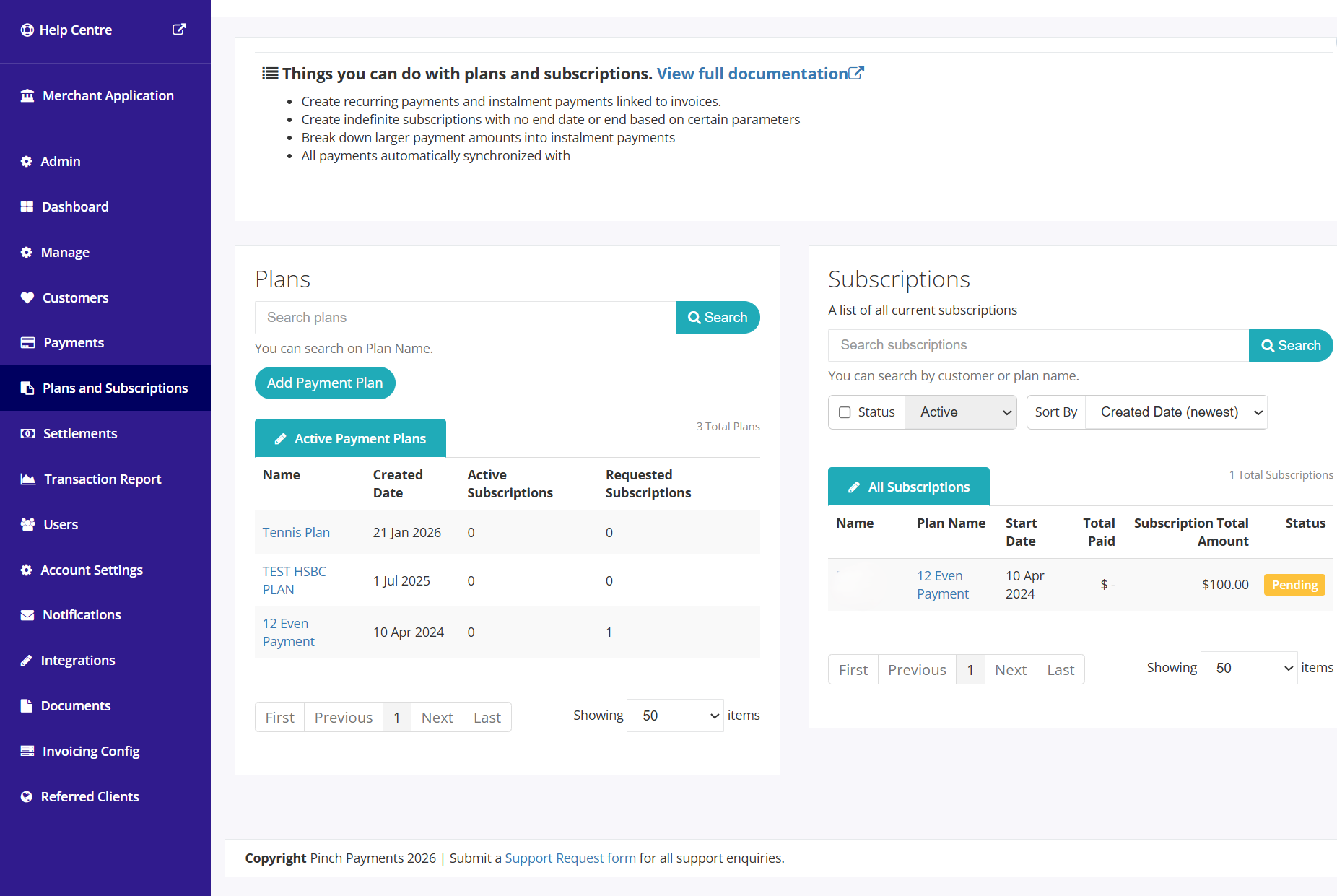
How to Collect Monthly Payments Effectively
Once customers are subscribed to or engaged on a monthly basis, the focus shifts from sign-up to consistency. Collecting monthly payments effectively is about ensuring funds arrive on time, every time, with minimal manual effort.
1. Set Clear Monthly Billing Rules
Monthly payment terms should be clearly defined and consistent. This includes billing dates, payment amounts, and what happens if a payment fails. Clear rules reduce confusion and make automated collection more reliable.
2. Automate Monthly Payment Collection
Manual invoicing introduces delays and increases the risk of missed payments. Automated recurring payments ensure collections happen on schedule without the need for reminders or follow-ups. Automation is especially important as customer numbers grow.
3. Reduce Failed and Late Payments
Even with automation, failed payments can occur. Effective systems include retry logic and notifications so issues such as expired cards or insufficient funds can be resolved quickly. Addressing failures early protects cash flow and reduces revenue leakage.
4. Integrate Payments with Accounting
Monthly payments generate ongoing transaction data. Integrating your payment system with accounting software such as MYOB, QuickBooks, or Xero simplifies reconciliation and ensures financial records stay accurate without manual data entry.
5. Monitor Performance and Cash Flow
Regularly reviewing payment reports helps identify trends, delays, or problem areas. Visibility into upcoming and completed payments allows businesses to forecast cash flow more accurately and make informed financial decisions.
Selecting the Best Payment Processor for Recurring Payments
Choosing the right payment processor is one of the most important decisions for any business relying on recurring revenue. The wrong setup can lead to failed payments, manual work, and cash flow uncertainty. The right one, on the other hand, quietly supports growth in the background.
When evaluating options, these are the key factors that matter most for recurring payments.
1. Support for True Recurring Payment Processing
Not all payment processors are built for recurring billing. Some only support basic repeat charges without proper automation or management tools. A strong processor should handle recurring payment processing natively, including scheduled billing, retries for failed payments, and visibility into upcoming charges.
2. Flexible Payment Methods
The best processors allow businesses to accept recurring payments using both card payments and direct debit. This flexibility reduces payment friction and improves success rates, especially for long-term or higher-value subscriptions. Relying on a single method often increases failure risk over time.
3. Reliable Handling of Failed Payments
Failed payments are unavoidable in recurring billing. What matters is how the processor handles them. Look for features such as automatic retries, notifications, and clear failure reporting. These tools help businesses recover revenue without manually chasing customers.
4. Seamless Accounting and System Integrations
Recurring payments create a steady stream of transactions, so your payment setup should fit into the systems you already use, not sit alongside them. Look for integrations that keep records consistent across invoices, customer details, and reporting, and reduce manual handoffs as transaction volumes grow. The goal is a connected workflow where payments, finance, and operations stay aligned without extra admin.
5. Scalability Without Operational Complexity
A processor that works for a small customer base may struggle as volumes increase. The best payment processor for recurring payments should scale easily, supporting more customers, more transactions, and more complex billing models without requiring constant manual adjustments.
6. Clear Reporting and Payment Visibility
Visibility is essential when managing recurring revenue. Businesses should be able to see successful payments, upcoming charges, and failed transactions in one place. Clear reporting allows teams to spot issues early and make informed decisions about cash flow.
7. Security, Compliance, and Trust
Recurring payments require customers to place ongoing trust in a business. A payment processor must meet industry security standards and handle sensitive data responsibly. Built-in compliance reduces risk and protects both the business and its customers.
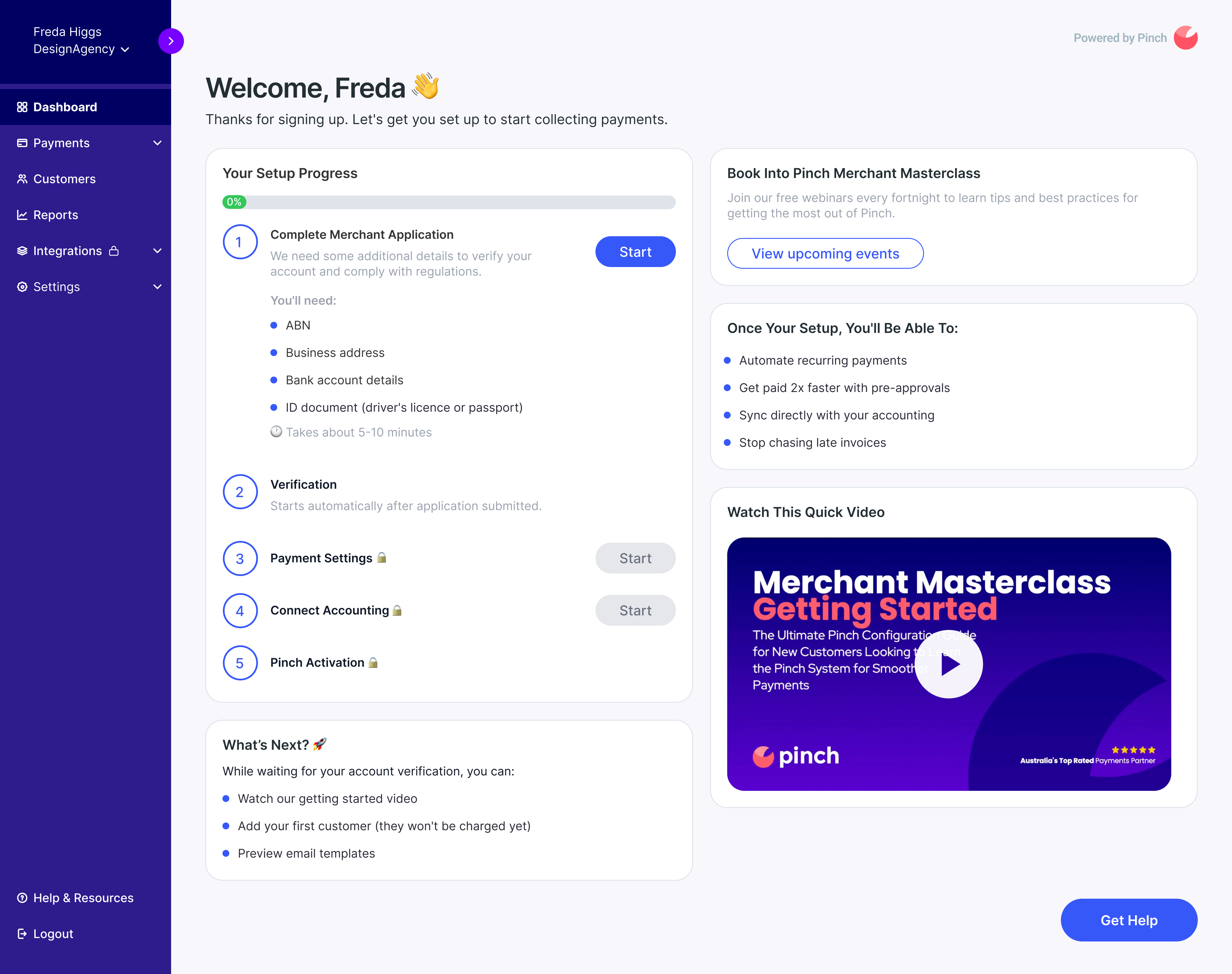
How Pinch Payments Streamlines the Goal to Take Recurring Payments Online
Pinch is designed to help Australian businesses simplify recurring billing without adding complexity.
-
It supports automated recurring payments through both direct debit and card, allowing businesses to collect payments on schedule without manual follow-ups. Payment plans and pre-authorised billing make it easier to manage ongoing services and subscriptions.
-
Pinch integrates with accounting platforms commonly used in Australia, including Xero, QuickBooks, and MYOB. This reduces reconciliation work and provides clearer visibility into cash flow.
-
For businesses with more advanced requirements, Pinch offers a developer-friendly API, making it suitable for SaaS platforms and businesses that want to embed payments into their systems.
-
With local support and global infrastructure through Fiserv, Pinch provides a balance of reliability, scalability, and understanding of Australian payment practices.
Recurring payments are no longer limited to subscription businesses. Across Australia, more companies are adopting automated billing to improve cash flow, reduce admin, and deliver a better customer experience.
If you are looking to simplify how you collect monthly and recurring payments, Pinch Payments provides automated recurring billing, flexible payment options, and seamless accounting integrations designed for Australian businesses. With local support and scalable infrastructure, Pinch helps you take control of recurring payments without adding complexity.
To find the right plan for your business, view Pinch pricing. If you’re ready to streamline collections and get paid with less admin, contact Pinch Payments to see how an automated recurring setup could work for you.